
 The 360 Guy
The next generation of VR headsets has arrived and I’ve been testing two of the flagship devices. The Meta Quest 3 is the latest in a long line of Quest headsets and is the sequel to the most popular VR headset ever. The Pico 4 was the first of the next gen headsets to be released but is only available in Europe, China and some other countries, although those in the US can import the headset.

These two headsets are similar in terms of specs, although there are a few key differences. The design of the headsets also differs in some very important ways. The Meta Quest is slightly more expensive but has the backing of one of the biggest tech companies in the world. I’ve been using both the Pico 4 and Quest 3 and I’ve created this comparison post to help you choose which one is best for you.
Meta Quest 3 vs Pico 4
Specs Comparison
[wpsm_comparison_table id=”119″ class=””]
Design & Comfort
Design is an extremely important aspect of any VR headset, more so than any other tech product. You will be wearing these things on your head so they need to be comfortable. It’s also preferable for VR headsets to be as small, light and thin as possible.
The Pico 4 is one of the most comfortable headsets I’ve ever owned, and I’ve owned a lot. The headset features a built in head strap that for any other headset would probably cost extra.
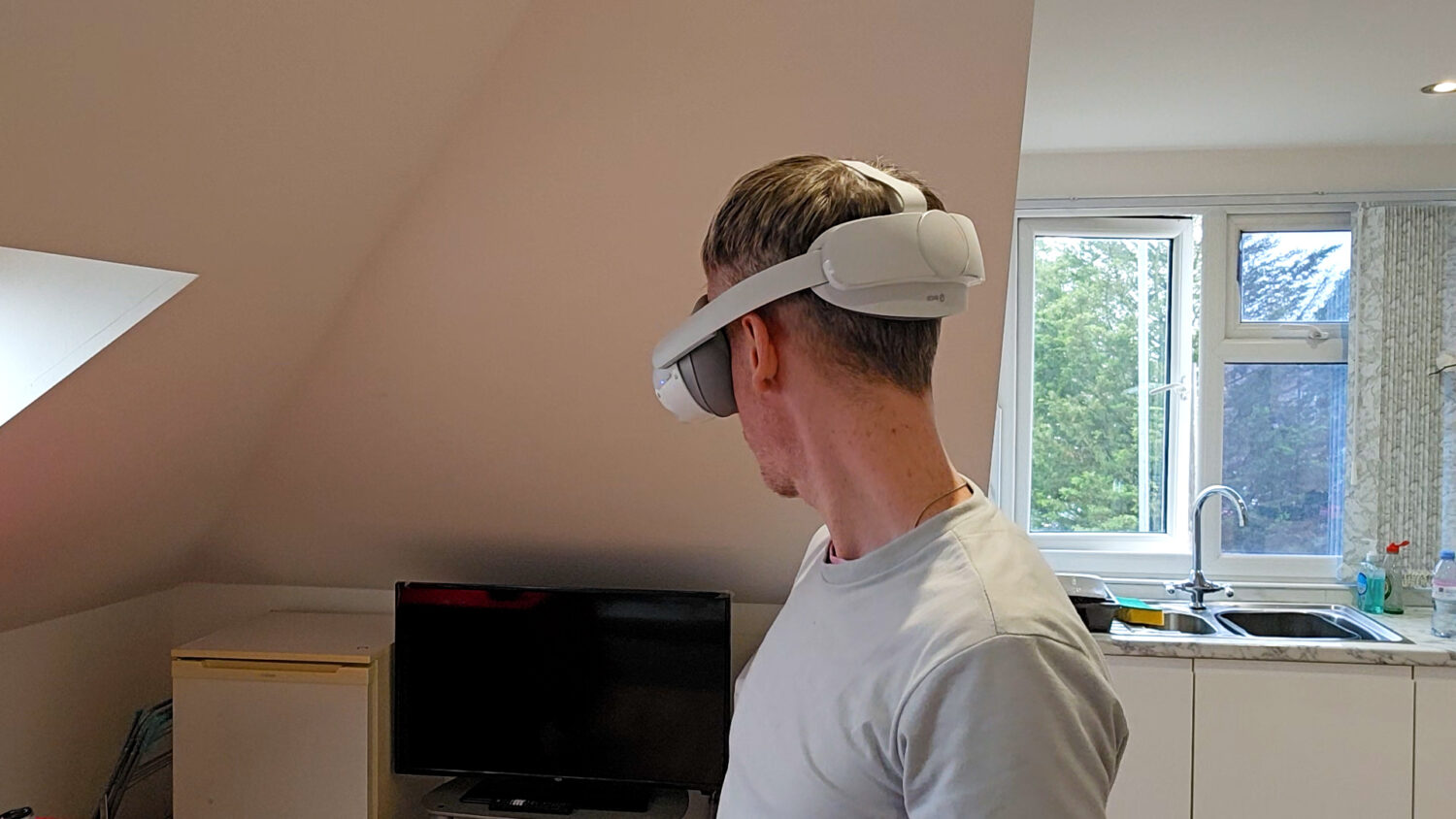
Pico 4 with Balanced headstrap
The head strap is plastic, sturdy, adjustable and features a counterbalance as the battery is located at the back of the head strap. This is an excellent design feature as it means the weight of the headset is more balanced and less front heavy.
The headset itself is thinner than most of the last generation of devices thanks to new pancake lenses, which are much thinner than previous lens technology.

Th Pico 4 features fully adjustable IPD, the distance between the lenses, which is important for maximum comfort for most people. You’ll also find some fairly high quality speakers and a port for your own speakers.
In comparison the Meta Quest 3 doesn’t score as high in the comfort department. Unfortunately the Quest 3 ships with a very basic strap that is neither sturdy nor comfortable. The headset is also more front heavy due to the battery being located in the main part of the headset.
You can buy a variety of other head straps which are far more comfortable, but this is an extra cost which some may not be able to afford. I find that the Quest 3 just doesn’t sit as well on the face.

Meta Quest 3 Poor Quality Strap
Just like the Pico 4 the Quest 3 comes with thin pancake lenses which means the headset overall is thin and light, although the Pico 4 is slightly lighter. The Quest 3 also comes with high quality speakers, fully adjustable IPD and the ability to change the depth of the headset which is useful to those who wear glasses.
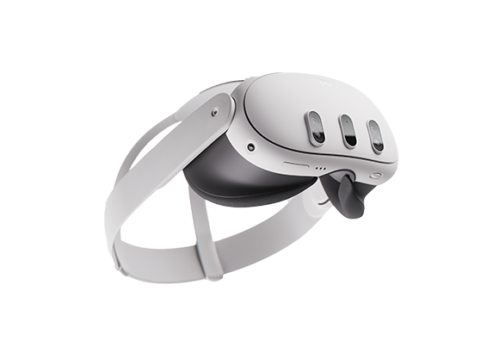
Meta Quest 3
 amzn.to
The latest headset from the most popular VR brand ever. A new screen, thinner body, more powerful processor and hundreds of VR experiences
Screen & Clarity
Both the Quest 3 and Pico 4 use 2 LCD screen for their display. Both feature similar per-eye screen resolution, but the Quest 3 is slightly higher so should be able to display slightly sharper imagery.
In my experience this is accurate and I find when playing the same game on both the Quest 3 and the Pico 4, that the Quest 3 display is more crisp and colourful. The difference isn’t massive but it is noticeable.
You can see some “Through the Lens” comparisons below where you may be able to see the slight difference in screen tech used in both headsets.


The max refresh rate of the Quest 3 is also higher at 120hz, which makes any moving imagery look less blurred. You’ll also find a wider field of view in the Meta Quest 3, but the difference is quite small.
So overall the Quest 3 has superior screen technology and overall I find the display to be clearer and sharper.
Graphical Capabilities
VR headsets are essentially gaming consoles (although they can be used for a variety of activities) and like gaming consoles their abilities vary depending on the tech they are built on.
Both the Pico 4 and Quest 3 are wireless VR headsets, although both can be plugged into a powerful PC for extra graphical power. The wireless nature of the headsets mean they are both powered by mobile processors; these are generally less powerful and can’t display the highest quality textures.
The Quest 3 features a newer and more powerful processor, the Snapdragon XR2 Gen 2. The Pico 4 features the same type of processor but a generation older.
While the difference between what the two processors are capable of is not massive, I do find that apps and games load faster on the Quest 3 and it can display more complex textures, however this will depend on if the game is developed to make full use of the extra power.
Tracking & Controllers
All modern VR headsets feature internal 6DOF tracking, using cameras inside the headset as well as sensors in the controllers to track your body. Both the Pick 4 and Quest 3 features multiple cameras for tracking, with the Pico having four and the Quest 3 six.
Both headsets have RBG colour cameras; one of the new advancements that this generation has brought. This allows you to see the world around you in colour when using the passthrough mode. This can also be used for mixed reality experiences, but more on that later.
The colour cameras on the Quest 3 are higher quality than the Pico 4 so you’ll have a higher quality passthrough experience. The 2 extra camera also allows for more accurate controller and body tracking. Both headsets feature hand tracking but the Quest 3 definitely has the upper hand here with hands being almost as easily tracked as the controllers.
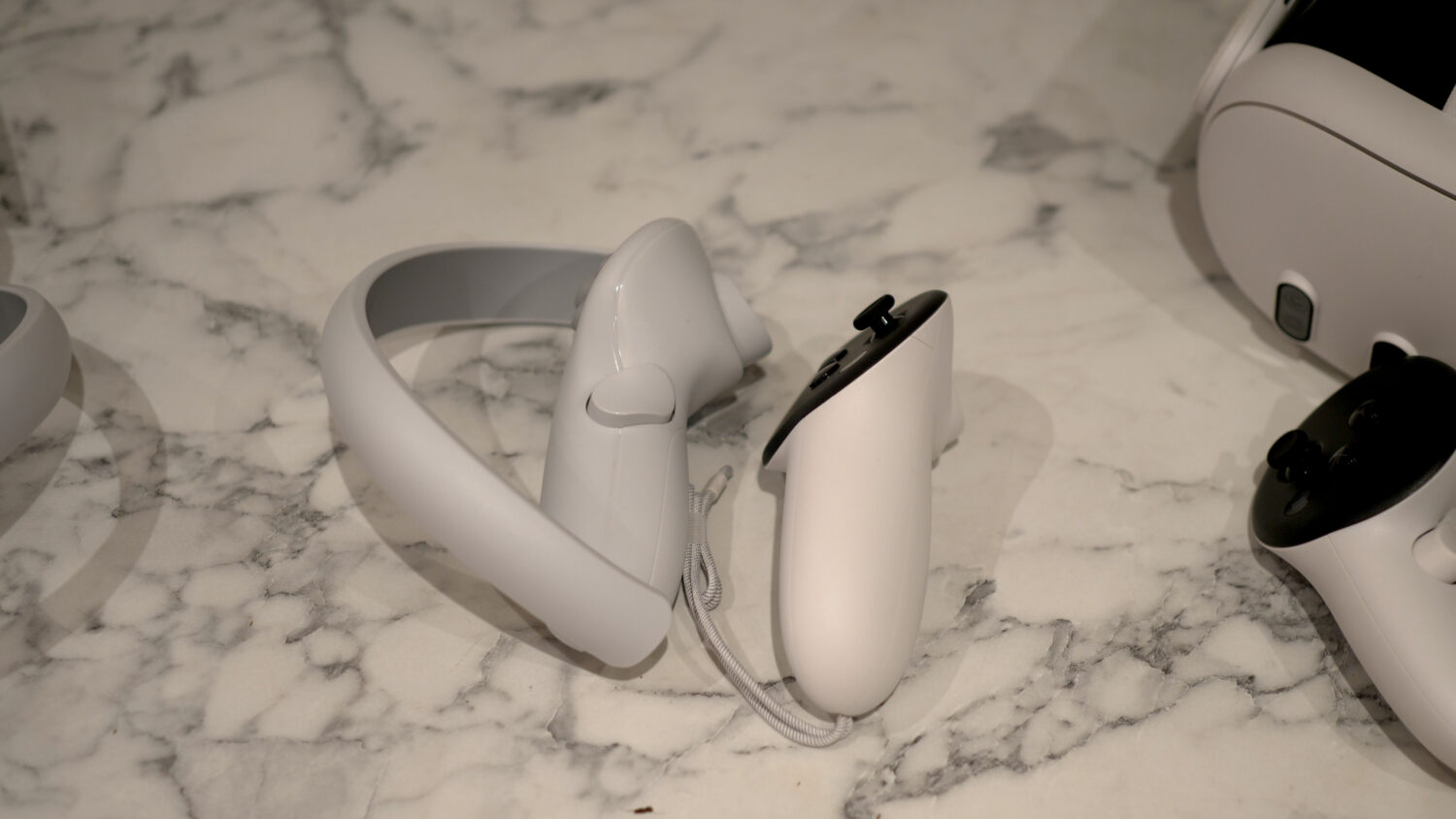
As for the controllers themselves the Quest 3 features smaller and more compact controllers which I find easier to hold and use. The Pico 4 controllers are clearly larger with the plastic ring which can easily break if you hit it against an object (quite possible when doing more vigorous games.
Games & Experiences
Regardless of how powerful or advanced a VR headset is, if the software and experiences are not here then it means nothing. Meta have a big advantage here due to the huge amount of money they have pumped into the Quest brand.
The Meta Quest Store definitely has a lot more games and experiences that the Pico Store. You’ll find literally hundreds, with more being added weekly. You’ll find the most popular games like Beatsaber, Superhot & Population One.
You’ll also find larger, more complex games being added to make use of the Quest 3’s extra power. Assassin’s Creed & Asguard’s Wrath are closer to the full length games we see on other consoles.
The Pico 4 does have a fairly larger library of games and experiences, certainly enough to keep a user happy. Some of the most popular games are exclusive to the Quest so won’t ever likely be available on the Pico 4.
Neither of these headsets can run the larger VR games like Half Life Alyx, however if you use a suitable cable and plug it into a VR heady PC then you can load up Steam VR and play these larger games.
In terms of software the Quest 3 certainly has more options and a more refined experience, however the Pico 4 isn’t barren and updates are regular.
Mixed Reality
Meta in particular are pushing Mixed Reality as a big part of their new headset. Mixing the real world with a VR one is a goal of many companies but Meta are the first to really push for it. Mixed reality on these headsets is possible due to the colour cameras and passthrough which allows you to see the real world while wearing your headsets. 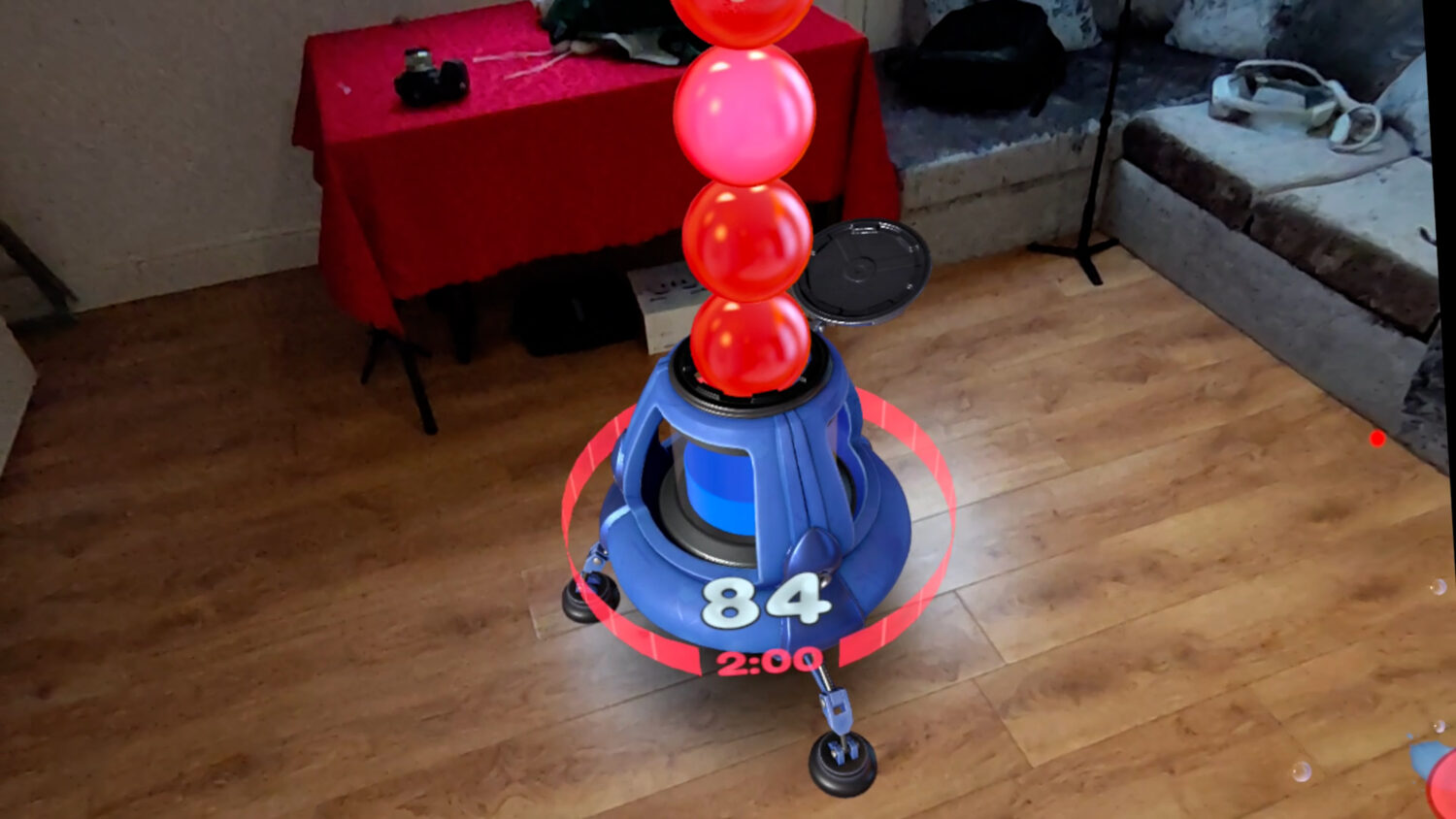
As I mentioned the colour cameras in the Quest 3 are clearer and higher quality than the Pico. At the moment it’s kind of like seeing the world through a phone camera made in 2010. That may not sound great but it’s good enough. The Pico colour passthrough is lower quality and it’s hard to see any use coming out of it other than to find your way around your room.
Meta has launched with a few Mixed Reality games and experiences, with many more in the pipeline. If you at all interested in Mixed Reality for either gaming or productivity then the Quest 3 is really the only option.
Quest 3 vs Pico 4 Summary
Having owned and used both of these VR headsets for quite some time it’s been fairly easy to talk about their pro’s and con’s. Firstly the Pico 4 is the cheaper of the two, but it’s also the least advanced and has a poorer selection of VR experiences.
The one advantage the Pico 4 has, and it’s a big one, is that it’s way more comfortable without having to buy anything extra. The Quest 3 strap is so poor that it’s essential to buy a more premium one. It limits how long you can realistically wear the headset and whether it stays on your face in more active VR experiences.
If I had to choose between the two, then the Quest 3 is the more premium device and offers more unique and varied VR experiences. It’s annoying that they don’t offer a comfortable set-up out of the box, but overall the extra price is still probably worth it.
Meta Quest 3
amzn.to The latest headset from the most popular VR brand ever. A new screen, thinner body, more powerful processor and hundreds of VR experiences


Owner of threesixtycameras.com. Writer, photographer and videographer. You can see my YouTube channel for guides of how to shoot 360 video. I've written for The Times, Digital Photography School and Sunday Express.


