

Sony recently announced the specs of the PSVR 2, an upcoming VR headset for the PS5. This new VR headset builds on the success of the aging PSVR which sold millions of units and opened up virtual reality to the gaming masses.
The PSVR 2 looks set to be released sometime this year, but for now Sony with a fully list of specifications and let’s just say they are looking impressive. While we wait for more information we can check the new specs against those of the first PSVR to see how much of an upgrade we are actually getting.
PSVR 2 vs PSVR
Specs
[wpsm_comparison_table id=”80″ class=””]
PSVR 2 Key New Features
It’s pretty clear right away that the PSVR 2 represents a HUGE upgrade from the original. This isn’t too surprising at the first headset is showing its age after a long run as Sony’s first VR device. The features that stand out for the PSVR 2 include:
- 4K OLED screen
- Eye Tracking
- Haptic Feedback in the headset and controllers
- Brand New Controller Design
- Dropping the need for a PS Camera
All of this sounds great, but remember that this isn’t a stand alone headset. You’ll need the PS5 to use the PSVR 2 and you’ll need to be tethered to it via a cable (maybe more than one). Unlike the popular Meta Quest 2 you won’t be able to play the PSVR 2 wirelessly.
Screen
Probably the biggest change between the PSVR and PSVR 2 is the screen upgrade. The original PSVR had a pretty low resolution screen with just 960 x 1080 per eye. This led to the dreaded “screen door effect” where you can see the gap between pixels. This somewhat takes you out of the virtual world and makes immersion more difficult.
The PSVR 2 will feature a much higher resolution screen with 2000 x 2040 pixels per eye. This should result in a much better VR experience with clear visuals and sharp images. Most importantly the PSVR 2 retains the OLED technology used in the original headset. OLED is considered the better technology for VR as it allows for deeper blacks and better contrast in colors.

Both headsets have a max refresh rate of 120hz, which is at the top end compared to other headsets on the market. A high refresh rate makes moving objects in games look clearer and more fluid and is pretty important for a better VR experience.
One new addition to the PSVR 2 screen is foveated rendering – a new technology that allows the headset to mimic more closely how the human eye works. The headset tracks the eye and only renders where you are looking directly in front of you while keeping other areas slightly blurred. This is how we see the world in reality and should hep with immersion; it also allows the headset to save processing power for other functions.
Tracking & Controllers
Another big upgrade coming to the PSVR 2 is internal tracking using built in cameras within the headset itself. The original PSVR required the use of the external PlayStation Camera which wasn’t the best system. Often the camera would lose tracking and the camera required yet more cables.

The PSVR internal tracking will remove the need for any extra peripherals and should increase tracking accuracy. Both the PSVR and PSVR 2 are 6DOF (degrees of freedom) headsets, which means the headset tracks your whole body.
As mentioned previously the PSVR 2 will also feature Eye tracking – and will be the first mainstream VR headset to do so. This will allow users to display more emotions and have realistic avatars in VR worlds.
Probably the most exciting upgrade the PSVR 2 will bring is haptic feedback. This one is kind of hard to explain but essentially motors in the headset and controllers will react to objects in the VR environment. Here’s an explanation from the PlayStation Blog.
“Headset feedback is a new sensory feature that amplifies the sensations of in-game actions from the player. It’s created by a single built-in motor with vibrations that add an intelligent tactile element, bringing players closer to the gameplay experience. For example, gamers can feel a character’s elevated pulse during tense moments, the rush of objects passing close to the character’s head, or the thrust of a vehicle as the character speeds forward.”
This is another technology that’s not been seen before in a mainstream VR headset; it remains to be seen whether it lives up to the hype.
Power & Performance
Both of these VR headset require the power of a gaming console to work. The PSVR works with a PS4 and the upcoming PSVR 2 will work with the PS5. The difference in power & graphical capabilities is based on the difference in power between the PS4 and PS5.
Obviously the PS5 is the far more powerful machine and will therefore be able to render large, complex and more graphically intensive VR games. having said that a lot of the extra processing power will be used on the new 4K screen and new sensors within the headset.
Expect larger and more complex VR games this generation with higher quality graphics compared to the PS4 VR era.
Library
Obviously the PSVR and PSVR 2 will share a similar library. It’s not yet clear whether the PSVR 2 will be backwards compatible with original games, however it would seem strange not to be.
What we can expect in the future is to see PSVR 2 exclusives that make use of the extra processing power and new tech inside the headset. We already know of one exclusive coming the the PSVR , Horizon Call of the Mountain, a brand new VR game set in the Horizon world.
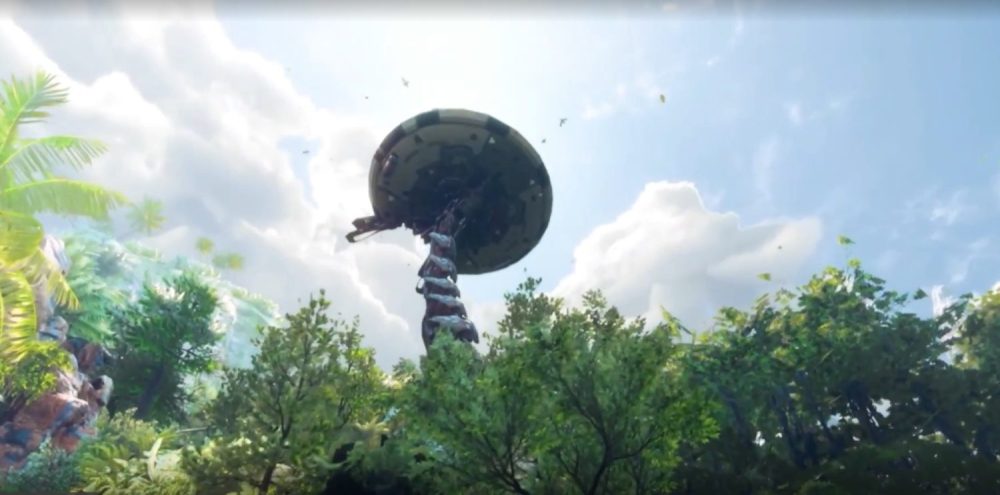
This is a great sign that Sony is serious about creating content for the PSVR with Horizon being one of their most popular exclusive titles. There’s already a big library of games available for the PSVR with memorable franchises including Iron Man, Star Wars, Star Trek and Skyrim.
New Controllers
The Original PSVR controllers were a strange mix between a Christmas Light and a Wii Remote. They weren’t particularly comfortable or well designed for using in VR. VR controllers need to be easy to use even when the user can’t see them. These were not it.

The new PlayStation VR2 Sense Controllers feature a completely new design that ditches the Christmas light. This is thanks to the new tracking system that no longer needs the colorful lights to track the controllers.
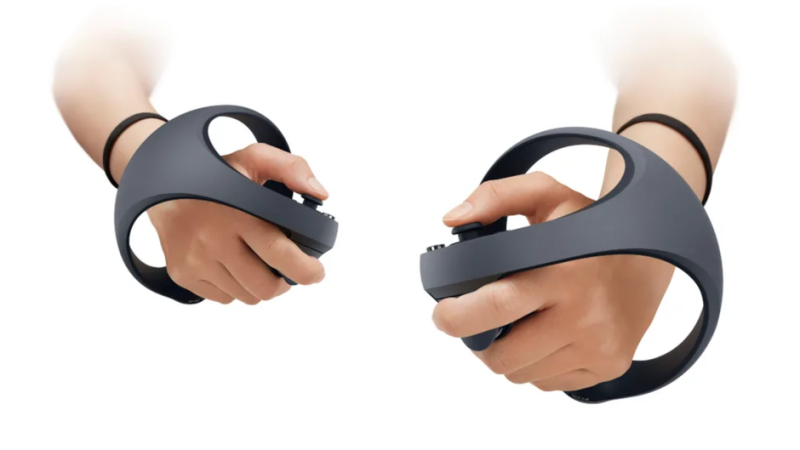
The new design looks much more like other VR headset controllers which have proven to be excellent. The new controllers will also feature new triggers, haptic feedback and 6-axis motion sensing
Conclusion
The PSVR 2 was always going to improve upon its aging predecessor but this is more of an upgrade than most were expecting. There’s some exciting new technology not seen in any other VR headset so far, including haptic feedback and eye tracking.
The original PSVR was a bit of a gamble for Sony, but it seems to have paid off. VR headsets are selling like hotcakes and the PSVR 2 looks well places to take advantage of the raw power the PS5. There’s no confirmed release date but rumours expect it to be available by the holiday season of 2022. Stay tunes for more PSVR 2 updates.


