


It’s hard to believe that we find ourselves at the next generation of VR headsets, and there are some big changes. Two of the most talked about new VR headsets are the Pico 4 and Meta Quest Pro. The former is the new guy on the block and the latter has been anticipated for a long time with several leaks.
Now that both headsets have been released we can take a closer look to see the pros and cons of each, and they are very different. So if you are trying to choose between the Quest Pro and Pico 4 keep on reading.
Meta Quest Pro vs Pico 4
Specs Comparison
[wpsm_comparison_table id=”105″ class=””]
Design
The design and build of a VR headset is very important. You don’t want an uncomfortable, heavy or unbalanced headset attached to your head for long periods of time. A lot of effect (and money) is gonig into making VR headsets and small and compact as possible.
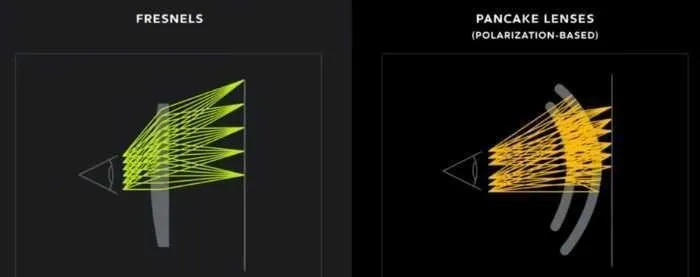
Looking first at the Pico 4, we find a relatively thin headset thanks to new lens technology which allows the screen to be closer to the lenses.

The battery is located on the rear of the strap which allows the weight of the headset to be more balanced on your head. At just over 500g the Pico is also lighter than most headsets so you can be fairly confident that this is a comfortable design which should be wearable for a decent chunk of time.
The Meta Quest 2 is heavier than the Pico 4, but it also features a thin design thanks to the same next gen lens technology. The strap also features a rear mounted battery and a wide head-strap which makes it a comfortable wear.

Both headsets have clearly paid a lot of attention to deign and in particular, comfort. The Pico 4 is likely to be slightly easier to wear due to a significant weight difference but the difference won’t be hugely noticeable.
Display
When reviewing VR headsets it’s usually the display and lenses that get the most attention. The display is what projects the VR games and experience into your eyes and the lenses is what fools your eyes into thinking you are surrounded by a 3D world.
As previously mentioned the Pico 4 and Quest Pro feature next generation “Pancake” lenses which allow for much thinner headsets.
The Pico 4 features a single LCD display with a resolution of 2160 x 2160 per eye. This is a pretty high resolution compared to other headsets and allows it to display sharp and clear visuals which is very important to achieve the immersive experience.
The Quest Pro features two Mini LED Backlit LCD displays with a resolution of 1800 x 1920 per eye. This is lower than the Pico 4, however the fact that there are two displays rather than one is a slight advantage.
LED backlit LCD displays also allow for deeper blacks compared to the normal LCD display in the Pico 4.
Let’s take a look at some side by side comparisons of the screen quality between the two headsets:


It seems to me that the Pico 4 display is sharper, which is not surprising considering the higher resolution, however the Quest Pro displays deeper colours with much better contrast. It will be up to you to decide which is more important to you.
Power & Performance
Much like a laptop, gaming console or phone, the type and complexity of the games & experiences you can use on a headset depends on the hardware; specifically the processer and amount of RAM.
The Quest Pro features a slightly more advanced version of the Snapdragon XR2 mobile processor. The Pico 4 featuring an older version. The Quest Pro also features an impressive 12GB or RAM which is significantly more than the 8GB in the Pico 4.
This means that the Quest Pro should be able to render more complicated games and experiences and run more smoothly.
Tracking & Controllers
Both the Pico 4 and Quest Pro are standalone, wireless VR headsets which means the don’t require any tethering to a Laptop or PC.
In order to track and display your moments in the VR world both headsets use an array of cameras. Usually the more cameras a headset uses the better and more accurate the tracking it.
The Pico 4 utilises 4 cameras on the headset which tracks an infrared light in the controllers, the cameras can also track hand moments but this is less accurate. The gyroscope in the headset also tracks head movements as well as forward, backward and sideways movements.
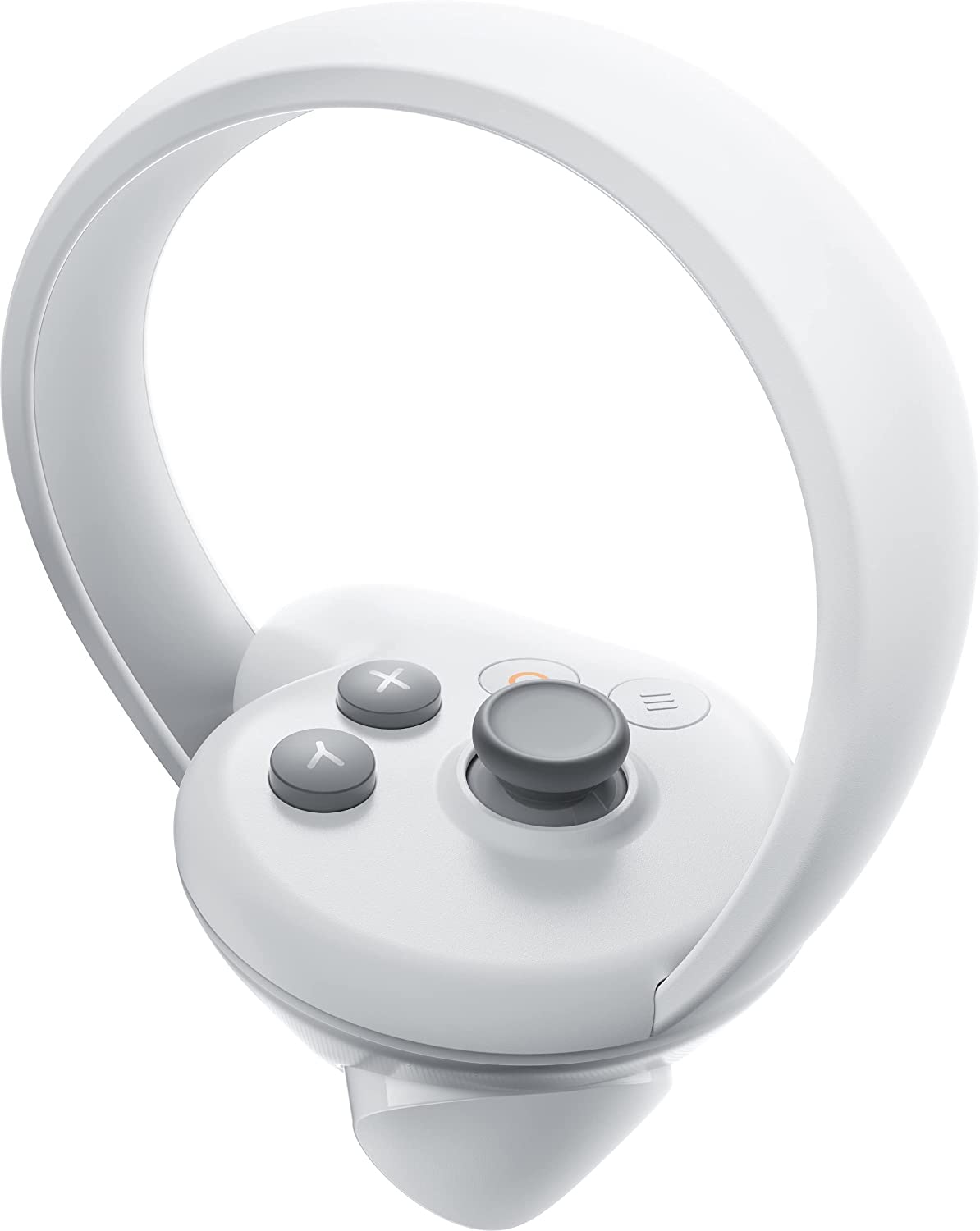
Pico 4 Controller
The Quest Pro is pretty much in a different league when it comes to tracking. Featuring a total of 10 cameras the Quest Pro can track your head, hands, face and eye movements.
There are cameras in the Quest Pro controllers which allow for much better tracking than the infrared system used in the Pico controllers. The Quest Pro controllers also feature haptic feedback and a pressure sensor for more realistic feedback.
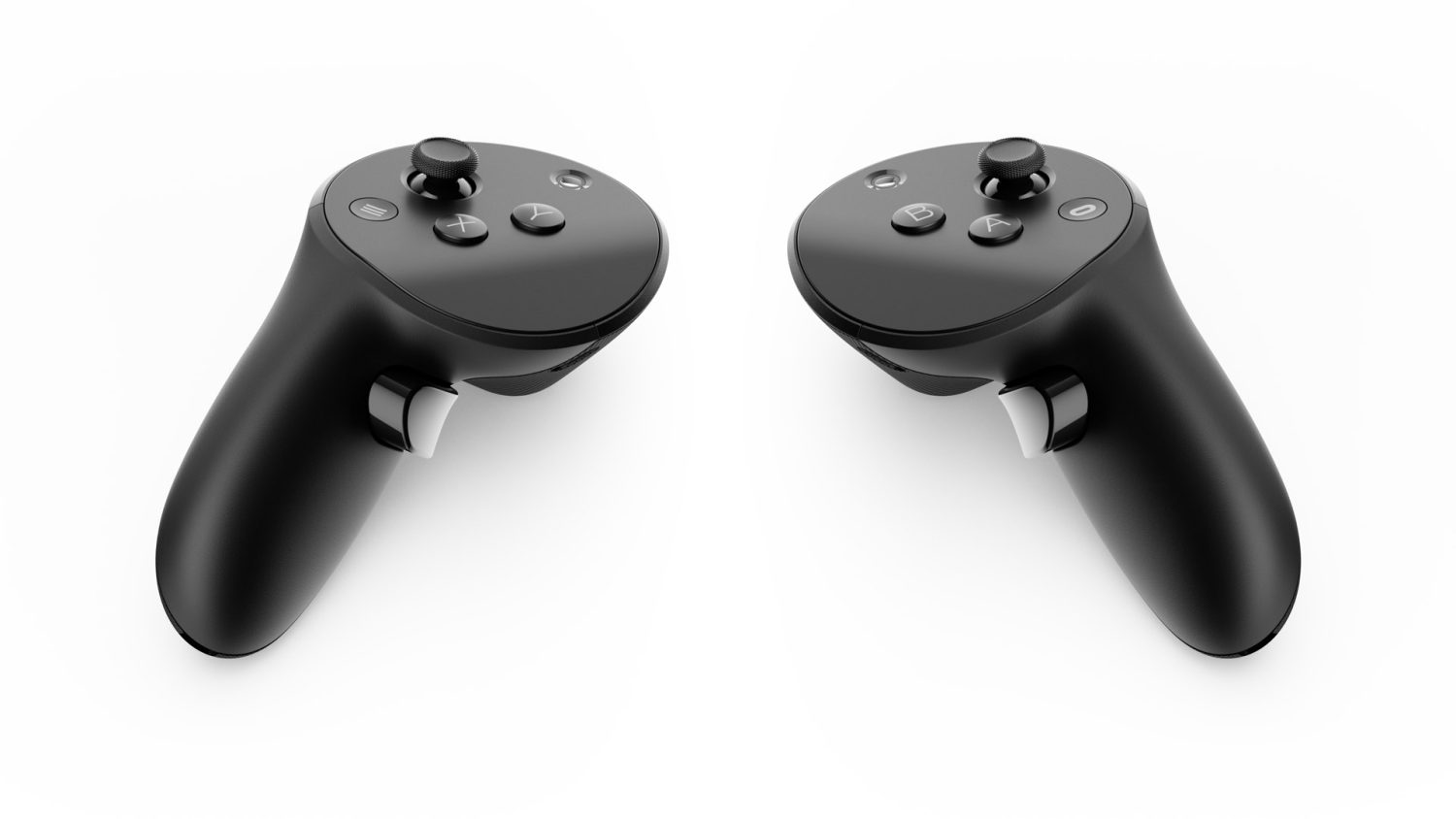
Quest Pro Controllers
Face and eye tracking allows you to show emotions in your VR avatars and is considered a big leap forward. This makes the Quest Pro a more immersive VR experience and could justify the much higher price.
Another feature on both VR headsets is “full colour passthrough”. This is the ability to use the external cameras on each headset to view the real work in full colour. Apps could take advantage of this to create AR experiences.
Software
There’s no point having a powerful VR headset if there are no games or experiences available. The Meta Quest Pro has the advantage here as Meta have been developing their VR library for years.

Most of the games on the Meta Quest Library are designed for the Quest 2, so don’t take advantage of the Quest Pro’s power.
Meta have specifically stated that the Quest Pro isn’t really meant to be gaming device (although you can play all the games in the Quest store), but a productivity device aimed at professionals. Meta see’s the Quest Pro as a replacement for your laptop rather than your Xbox.
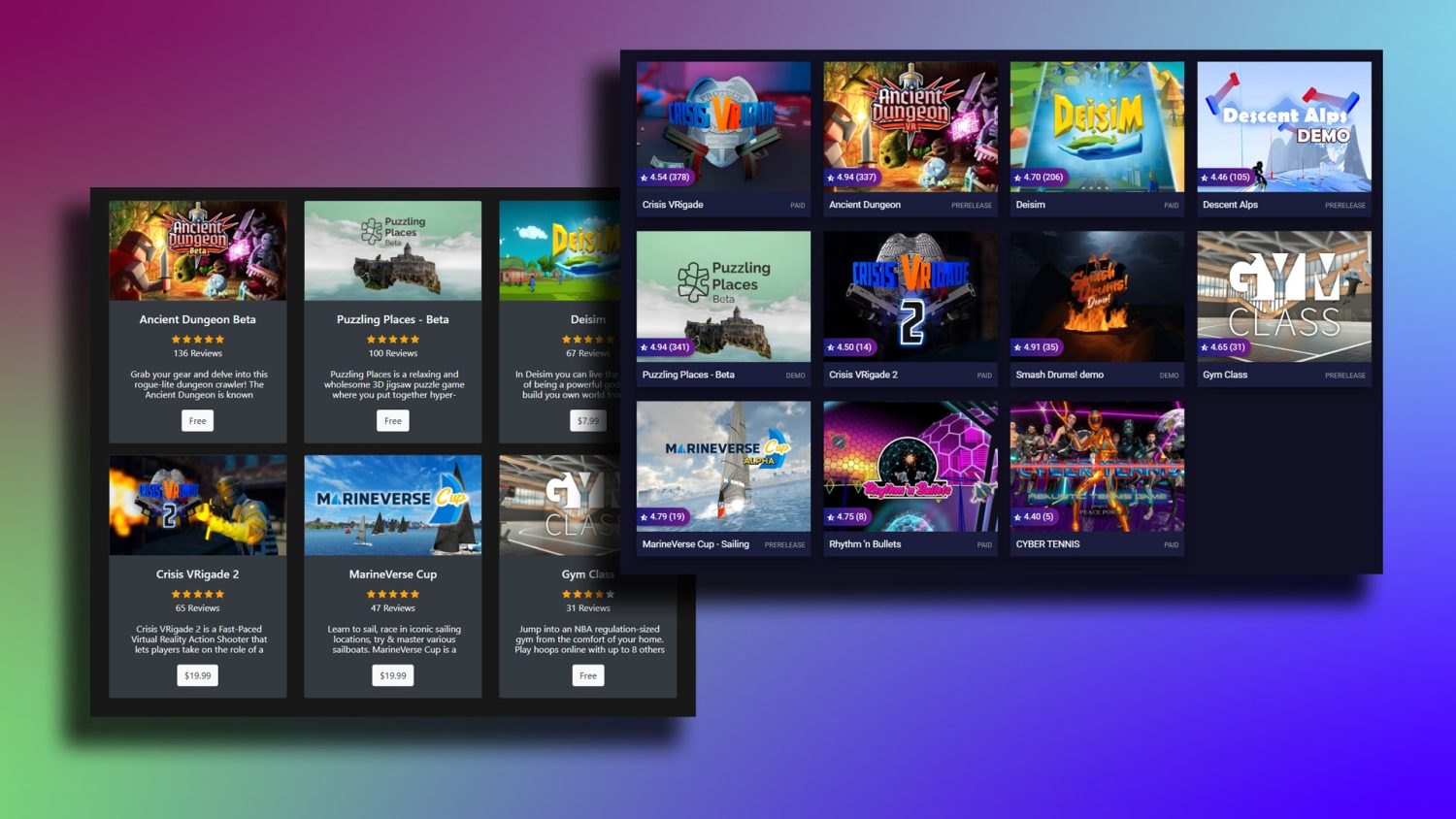
Bytedance have some catching up to do to provide anywhere near the number of VR experiences for the Pico 4, but they seem to be investing in their App store and new games are released consistently. Unlike the Quest Pro the Pico 4 is intended to be primarily a gaming device; you’ll also find fitness, video and 360 media apps on the Pico App store.
The Quest Pro has a lot more potential to up the game when it comes to VR software but a lot of this might be aimed at a more professional crowd.
Price & Availability
The Pico 4 is available in China and most of Europe however is not currently available in the US. If you are in the US you can import the Pico 4 from Amazon UK (link may redirect to US Amazon, if so try manually going to the UK store). You can then follow these instructions to get your headset working.
The price of the headset depends on whether you get the 128GB or 256GB version. The most you’ll pay is £399. Anyone importing to the US will also likely face some import taxes.
This is a reasonable price for a next generation VR headset and matches up to the competition.
The Meta Quest Pro has become infamous for it’s high price, roughly $1500. This makes the Quest Pro the most expensive VR headset out right now. Anyone looking for a headset for some light gaming or watching movies should probably look elsewhere, but like I said Meta are foreseeing this headset being used by architects, designers, engineers and many other professionals.

See Also: Meta Quest 2 vs Pico 4


