


For the past few years the Meta Quest 2 has been almost unchallenged as the most popular VR headset. The wireless design and large app store full of immersive games and experiences, along with a relatively low price, made it the first mainstream VR headset ever.
Now another huge social media company ByteDance (creator of TikTok) is throwing their hat into the VR ring with the Pico 4, their first consumer focussed wireless VR headset.
So how do these headsets compare? Let’s take a look at the full specs of both and explore the differences between them so see which comes out on top.
Pico 4 vs Meta Quest 2
[wpsm_comparison_table id=”99″ class=””]
Design
Looking at both of these headsets you can tell that the Pico 4 has clearly taken some “inspiration” from the Meta Quest 2. The light colour are similar, as are the shape of the controllers and head strap.
The Pico 4 appears less bulky compared to the Quest 2, this due to next generation lens technology which allows the display and lenses to be much closer together.

The battery has also been moved to the strap of the Pico 4 where as all hardware components in the Quest 2 are at the front “box”.

The Pico 4 is slightly heavier than the Quest 2 but the weight is more evenly distributed around you head and is therefore more comfortable to wear.
Display
Probably the most important aspect of any VR headset is the display, aftercall this is what transports you into a VR world. Ideally a VR headset display should be high resolution with clear colours, a wide field of view and a high refresh rate.

The Pico 4 seems to be ahead of the game here featuring higher resolution 2,160 x 2,160 pixels per eye compared to the Meta Quest 1832 × 1920 pixels per eye. The Pico features 2 separate displays where as the Quest has a single for both eyes.

The field of view is also slightly wider in the Pico 4 at 105 degrees vs 96 for the Quest 2. This will make your VR experiences more immersive as you’re less likely to have any interruptions from the outside world.
IPD adjustment, which changes the distance between lenses, is more variable in the Pico 4 which features motorized adjustment for any distance. The Quest 4 only features 3 pre-set distances.
See Also: VR Headset Comparison Table
Hardware & Tracking
Despite being two years older, the Pico 4 uses the same Snapdragon XR2 processor as the Quest 2. When released this was considered a very good mobile processor but is rather average now.
The Pico 4 does feature more RAM, 8GB vs 6GB, which will allow for smoother running of games and more complicated VR experiences.
For tracking, both headsets features 4 built in cameras to track the infrared LED’s inside their respective controllers. In terms of tracking accuracy the difference between the two is likely to be negligible as they use similar tech.

The controller design is slightly different with the Pico 4 moving the LED “ring” so that the controllers are easier to use and less likely to crash into each other.
Software
You may have noticed by now that the Pico 4 is a step ahead of the Quest 2 when it comes to hardware. You can definitely call the Pico 4 a next generation VR headset and it features several key upgrades which put it ahead of the Quest 2.
But hardware alone doesn’t make a VR headset worth buying. You could have the best hardware available but if there’s nothing to do then what’s the point?
This is where the Meta Quest remains way ahead. Meta have invested heavily into developing VR games and experiences for the Quest 2.
The App store has hundreds of games and even more video and other apps. You’ll find the most popular VR games like Bonelab, Beatsabre, Vader Immortal, Job simulator & many more on the Quest 2.
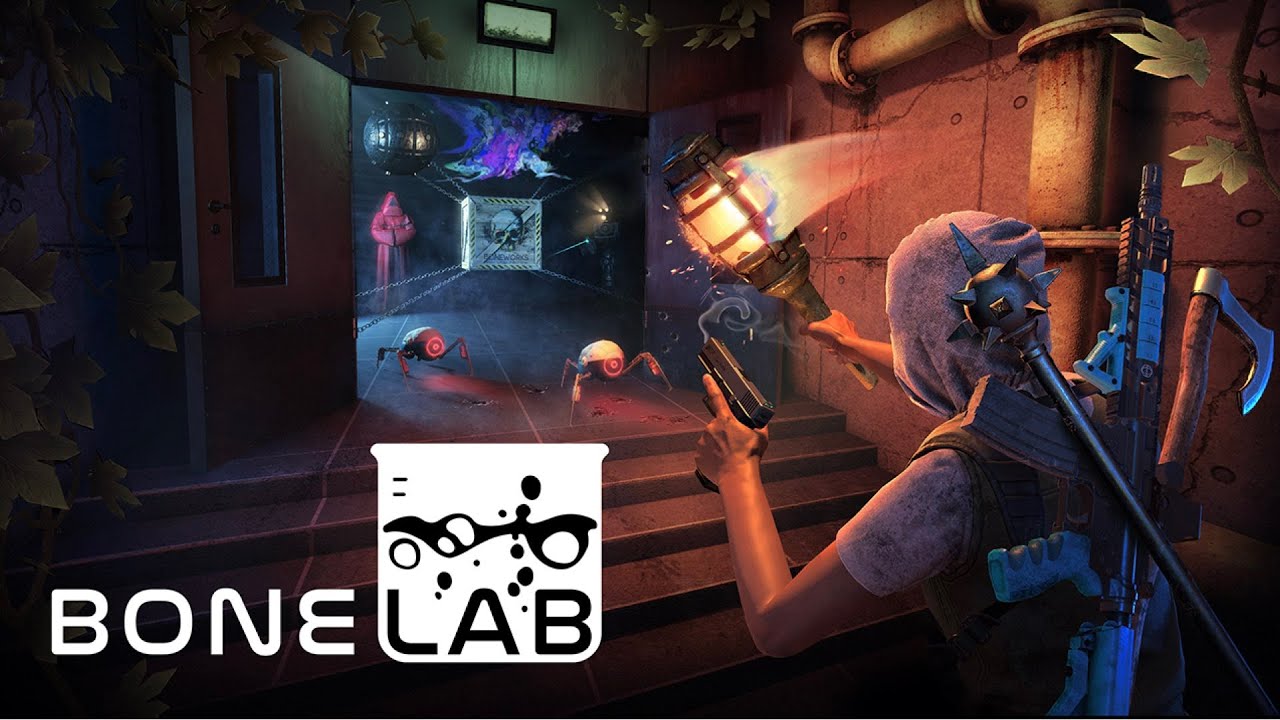
Pretty much all VR developers are making games for the Quest 2 because Meta has sold millions of them.
ByteDance has a big job to catch up. At the moment the Pico 4 App store is relatively bare in comparison, however there are signs that more is coming. The Pico 4 will soon have Just Dance VR as an exclusive title, however it may take a long time before you can expect the library to match up to Meta’s
Summary
It’s pretty clear that the Pico 4 is the better headset in terms of specs & hardware. That’s hardly surprising considering there’s a few years between the two.
The Pico 4 is also prices competitively at roughly the same as the Quest 2, which actually received a price increase earlier this year.
Despite this it’s hard to recommend the Pico 4 over the Quest 2 at the moment and that’s entirely due to the much smaller game & software library.
I would rather have access to a vast library of VR experiences than just a few, even if they looked more impressive.
Perhaps ByteDance will invest heavily in VR software for their headset in the future, but Meta have a huge headstart.
If you want a futureproof headset then the Pick 4 is the clear winner, but if you want to get stuck into the best VR experiences then the Quest 2 is still the king.


