Insta360 1 Inch 360 Edition vs Ricoh Theta Z1: Which Is Better?


Insta360 have launched their first ever 1 Inch 360 camera, the One RS 1 Inch 360 Edition. This camera is an addon the the modular Insta360 One RS and gives it the ability to shoot much higher quality videos and photos.
The new 1 Inch sensors, developed with Leica, are 4 times larger than the sensors used on most other 360 cameras. This gives the 1 Inch 360 edition the ability to create content that’s beyond most consumer level devices. The camera also comes with Insta360’s stabilization technology and editing suite.
The only other 360 camera with dual 1 Inch sensors to be released is the Ricoh Theta Z1, which quickly became an extremely popular choice for virtual tours because of the high quality 360 photos it could produce quickly and easily.
I’ve been shooting with both the Theta Z1 and 1 Inch 360 Edition side by side to see which one is better for both 360 photos and videos; if you are trying to decide between these two cameras then read on and find out which comes out on top.
Insta360 1 Inch 360 Edition vs Ricoh Theta Z1
Specifications
[wpsm_comparison_table id=”93″ class=””]
Camera Design
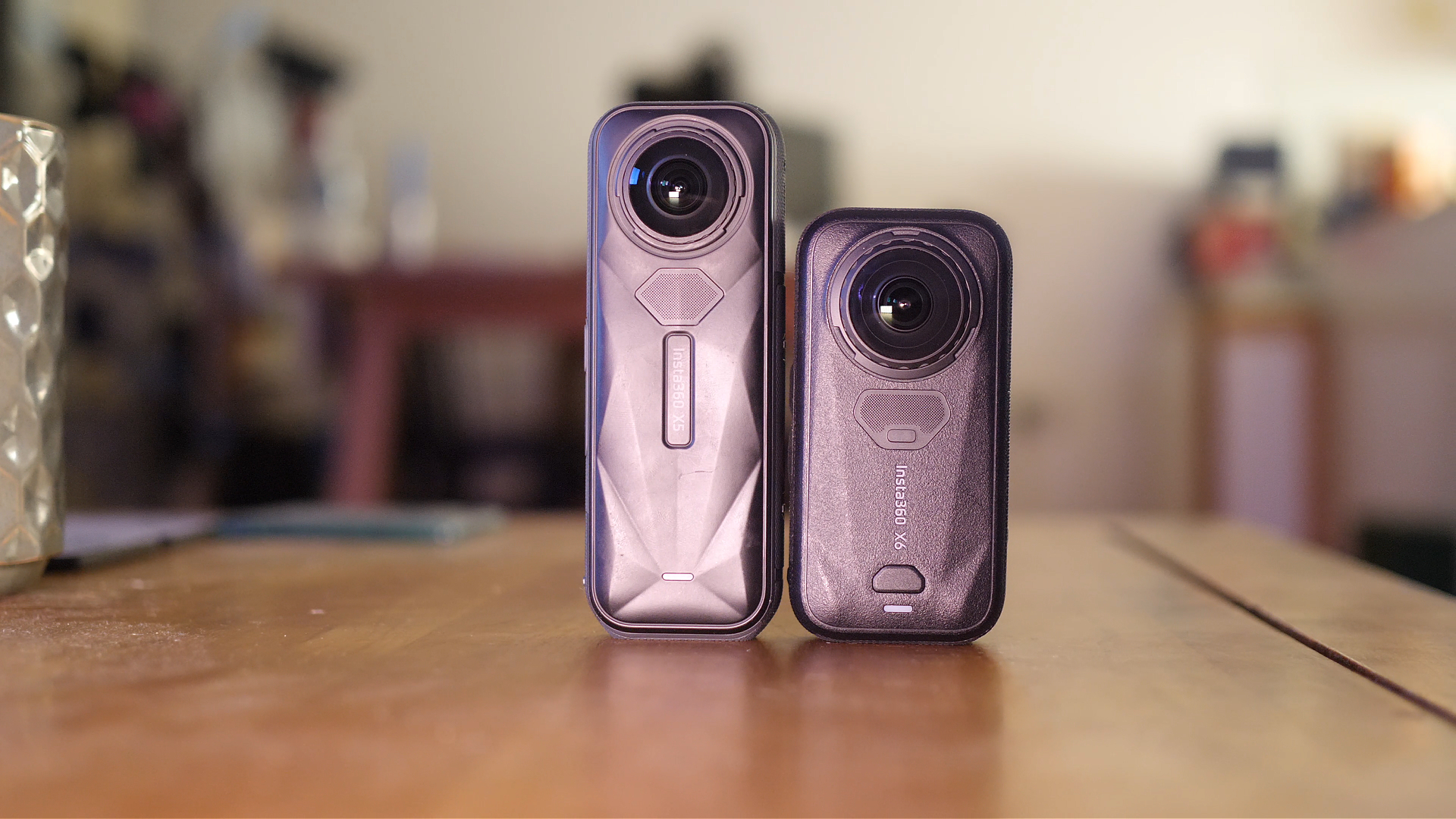
Both the Ricoh Theta Z1 and Insta360 1 Inch 360-Edtion feature a broadly similar candy bar shape with the two large sensors at the top. The Ricoh Theta Z1 is slightly thinner, lighter and features a rather basic LCD screen for displaying the current mode, battery and Wifi status. Manual controls at the side allow you to change mode and power on/off.
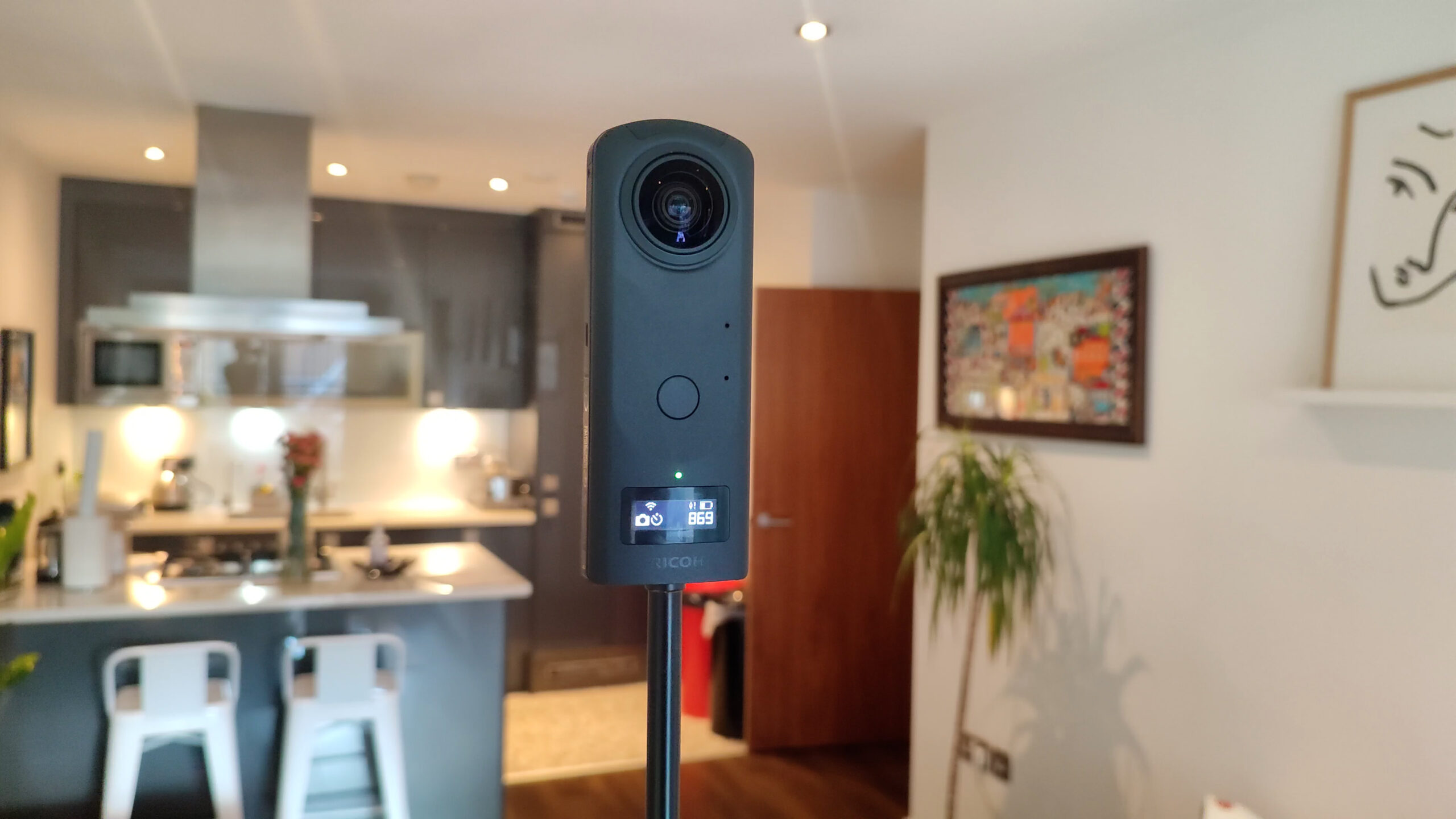
In order to have full access to all the camera controls you need to connect the camera to the Ricoh Theta App.
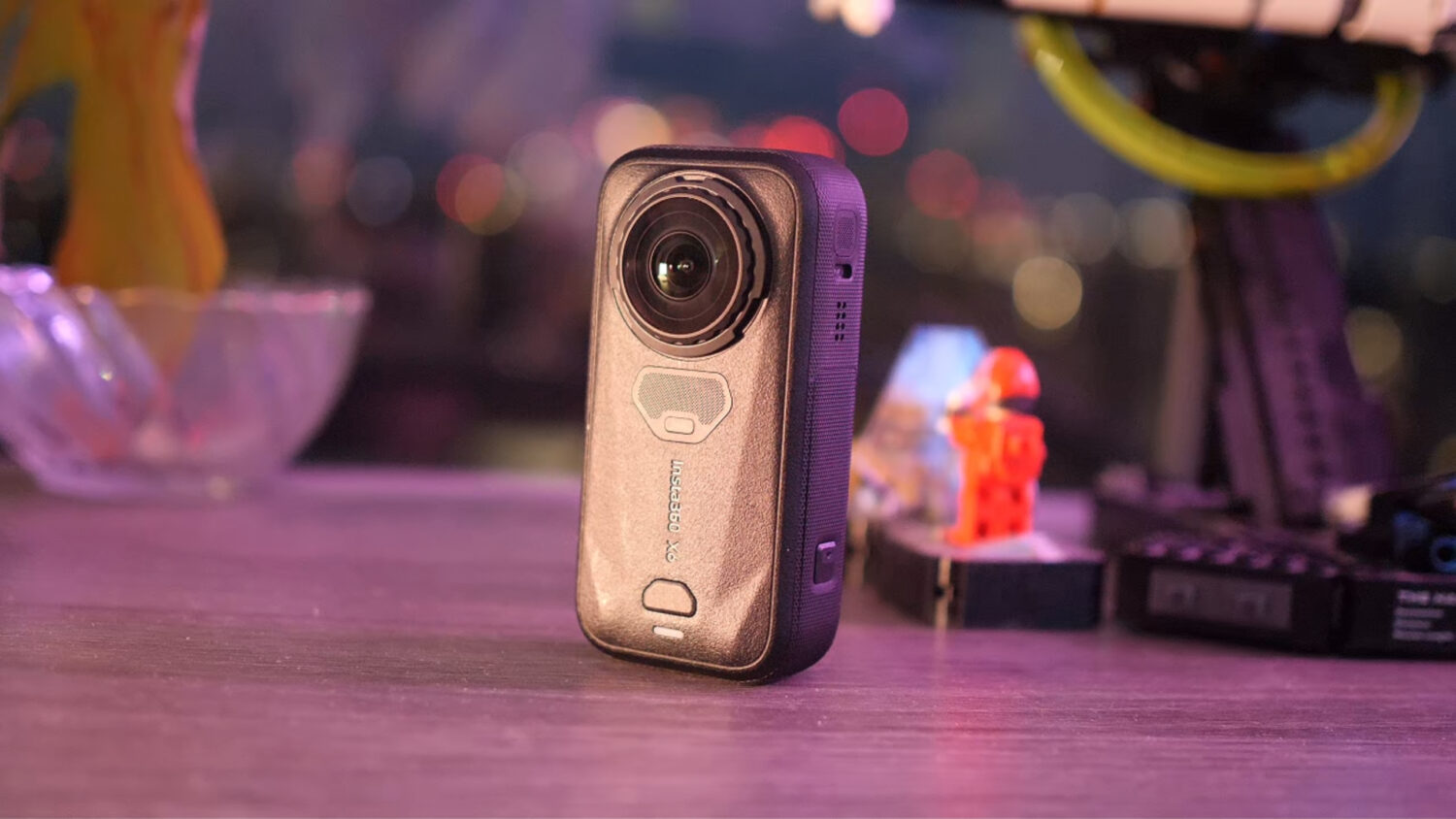
The Insta360 camera is rather more unique as it features a modular design. The 1 Inch 360 Edition is actually an addon to the Insta360 One RS. You can physically take the camera apart into 4 pieces; the lens, the battery, the core and the mounting bracket. There are two other lenses or “mods” available for the One RS which makes it one of the most versatile cameras ever.
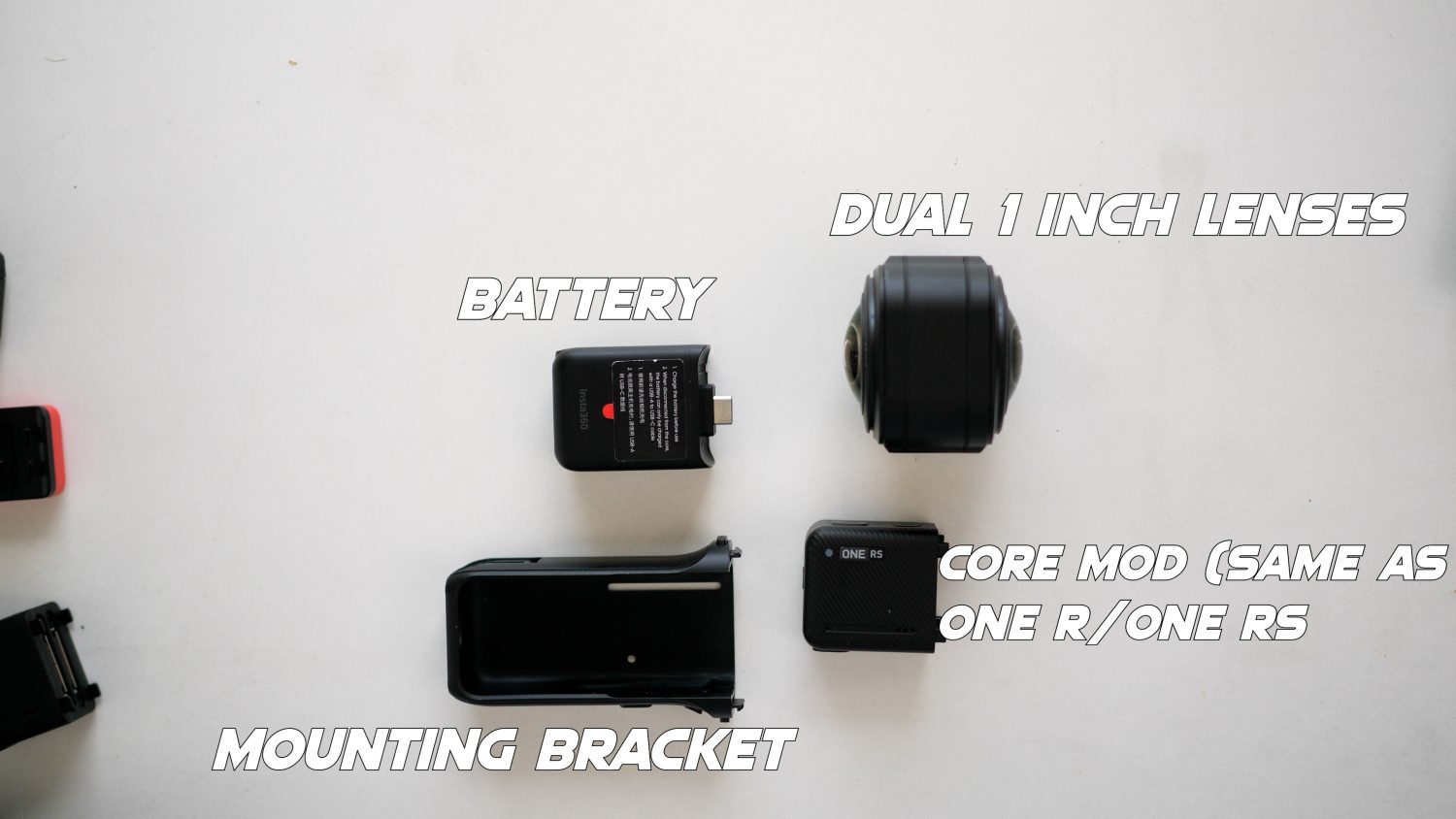
The One RS with the 1 Inch 360 Mod is rather bulky and heavy and the modular system may also not be for everyone. Accessing the memory card requires you to take the camera part each time. The 1 Inch edition does however come with a fully touch screen that allows you to manually control every feature of the camera.

Which is better for Virtual Tours?
The Ricoh Theta Z1 has for a long time been the sole all in one 360 camera featuring 1 Inch sensors, allowing users to create high quality virtual tours quickly and easily. The Z1 became the most popular 360 camera for virtual tours for this reason. The Insta360 1 Inch 360 Edition represents a new competitor for shooting virtual tours, in fact that’s probably why you are reading this comparison.
Let’s take a closer look at the 360 photo capabilities of both of these cameras to see which is better for virtual tours. You can see some examples of 360 images shot with both cameras in different modes here:
1 Inch 360 Edition 360 Photos
The 1 Inch 360 Edition features dual 1 Inch sensors co-engineered by Leica, a developer of high end camera lenses. The camera can shoot 21MP 360 photos and features several shooting modes.
These shooting modes include Pureshot, Auto HDR Bracketing, RAW & RAW HDR. Pureshot and Auto HDR allow you to automatically combine several exposures to create high quality 360 images within the camera without requiring any editing.
When shooting in RAW mode you need to put the images through photoshop in order to get the highest quality possible. This mode allows for maximum creative control and the highest overall quality, however the editing process is longer and requires more skill.
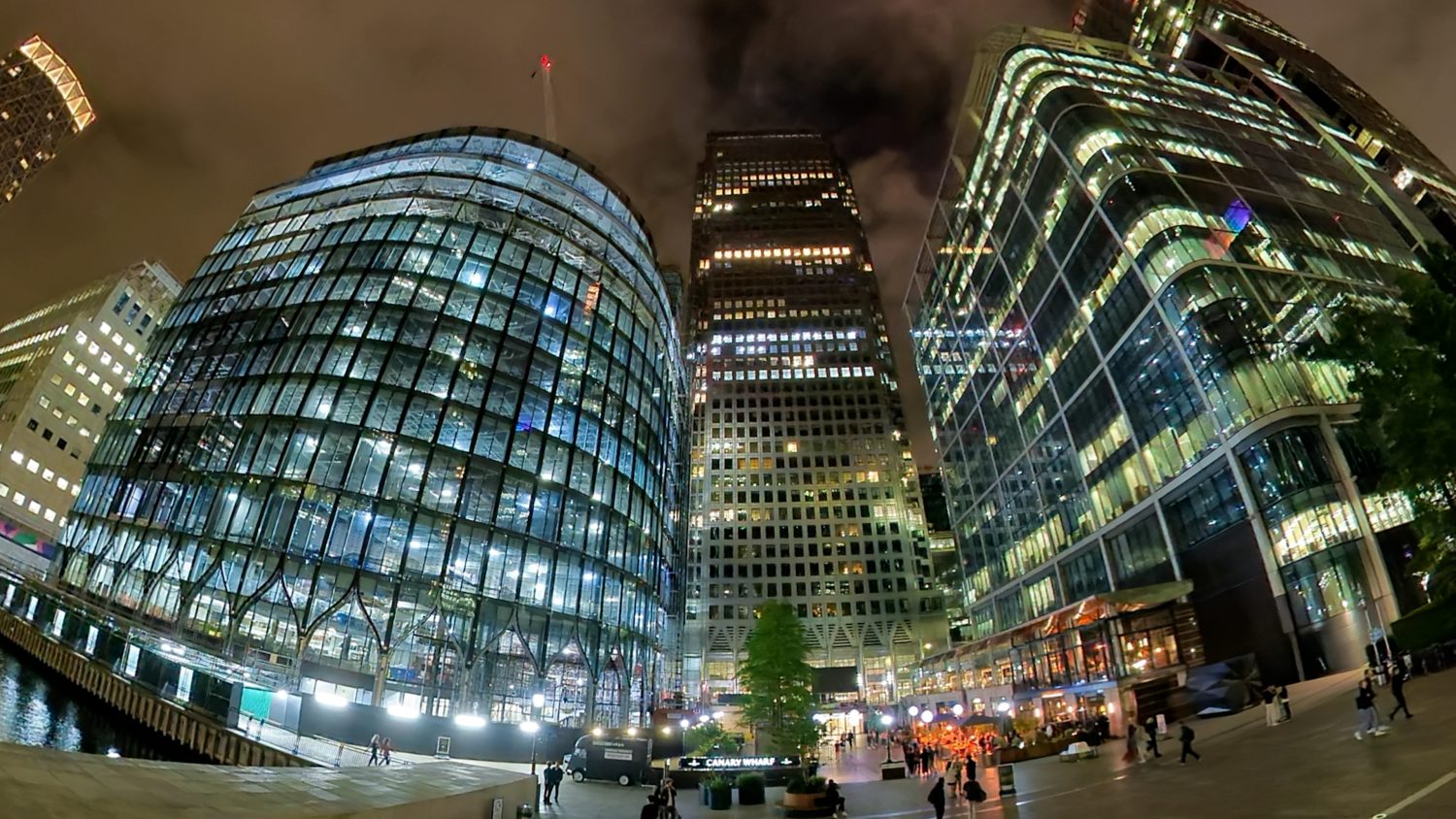
Even when using the automatic Pureshot mode, the 360 images shot with the 1 Inch 360 Edition are generally very impressive. The dynamic range, colours and vibrancy are impressive and the 1 Inch sensors do a great job in low light conditions especially.
The best quality can be had by editing DNG RAW images in photoshop Doing this allows you to reveal more details in shadows and reduce noise in darker areas. Certainly the 1 Inch 360 Edition is more than capable of shooting 360 images for professional virtual tours.
Thanks to the touchscreen you are able to have full manual control over exposure, ISO and shutter speed, as well as preview your images after you have shot them.
Ricoh Theta Z1 360 Photos
The Ricoh Theta Z1 is a few years old now but still holds up as an excellent camera for shooting virtual tours. The camera can shoot RAW images at 23 megapixels and also has the ability to combine several exposures using an auto HDR mode.
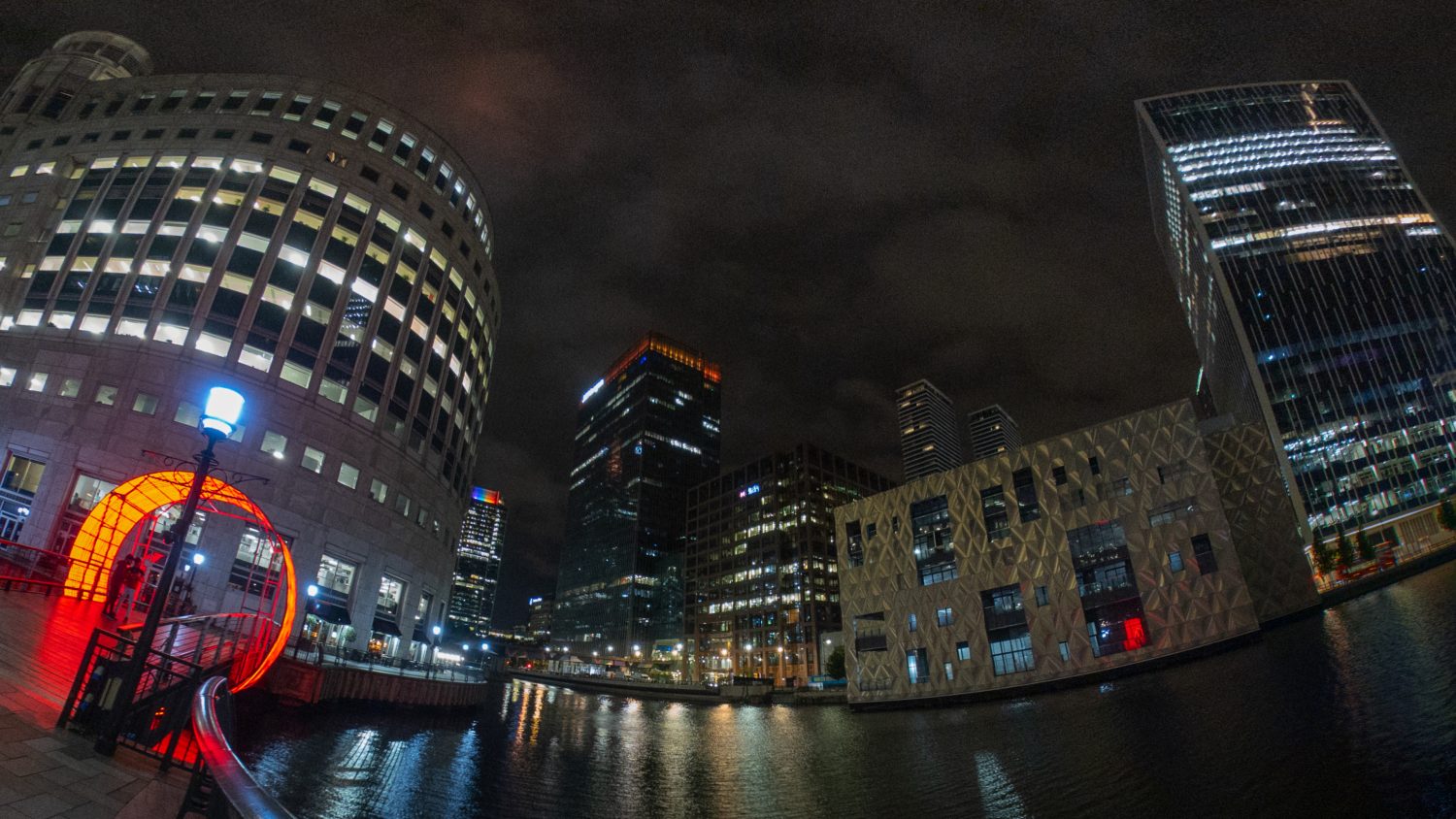
To get the best quality 360 photos out of the Z1 you should always shoot using the HDR RAW mode. Shooting in this mode requires you to edit the subsequent images using Adobe Lightroom, however the results are hugely better than using unedited images.
The resulting 360 images are high quality, relatively sharp and dynamic. it’s unfortunate that there is no way to manually control the camera without connecting to the app, as the small LCD screen cannot provide much information nor allow you to preview your images.
Summary
When comparing images shot with both camera side by side it’s often the case that the Ricoh Theta Z1 images are brighter but noisier. I also find that the 1 Inch Edition handles bright artificial lights better than the Z1.
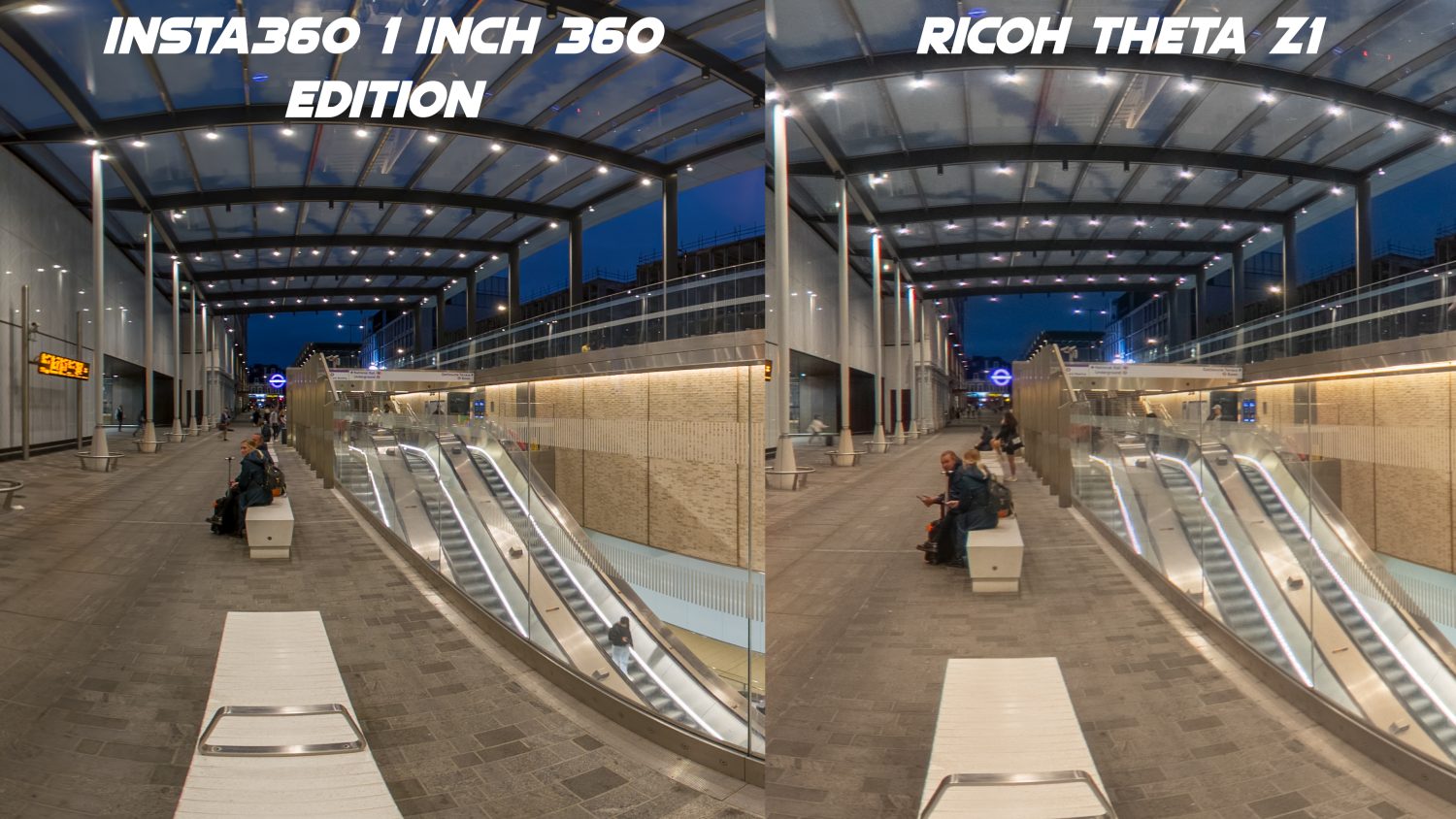


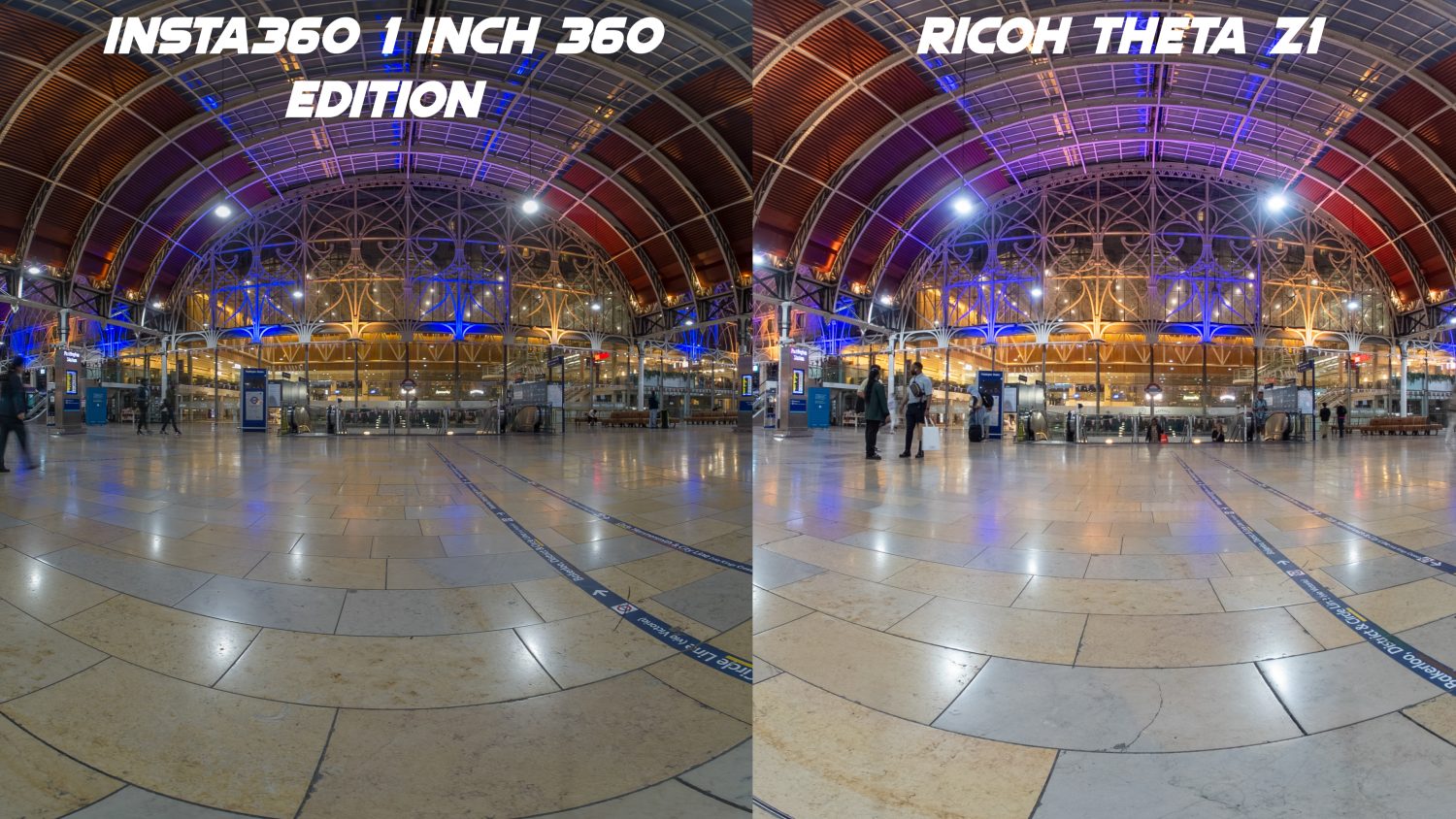
For virtual tours it’s very important that a camera avoids overexposure of bright areas like windows; in these conditions the Z1 actually performs slightly better but the difference isn’t massive. The Z1 also shoots at a slightly higher resolution while results in slightly sharper images.
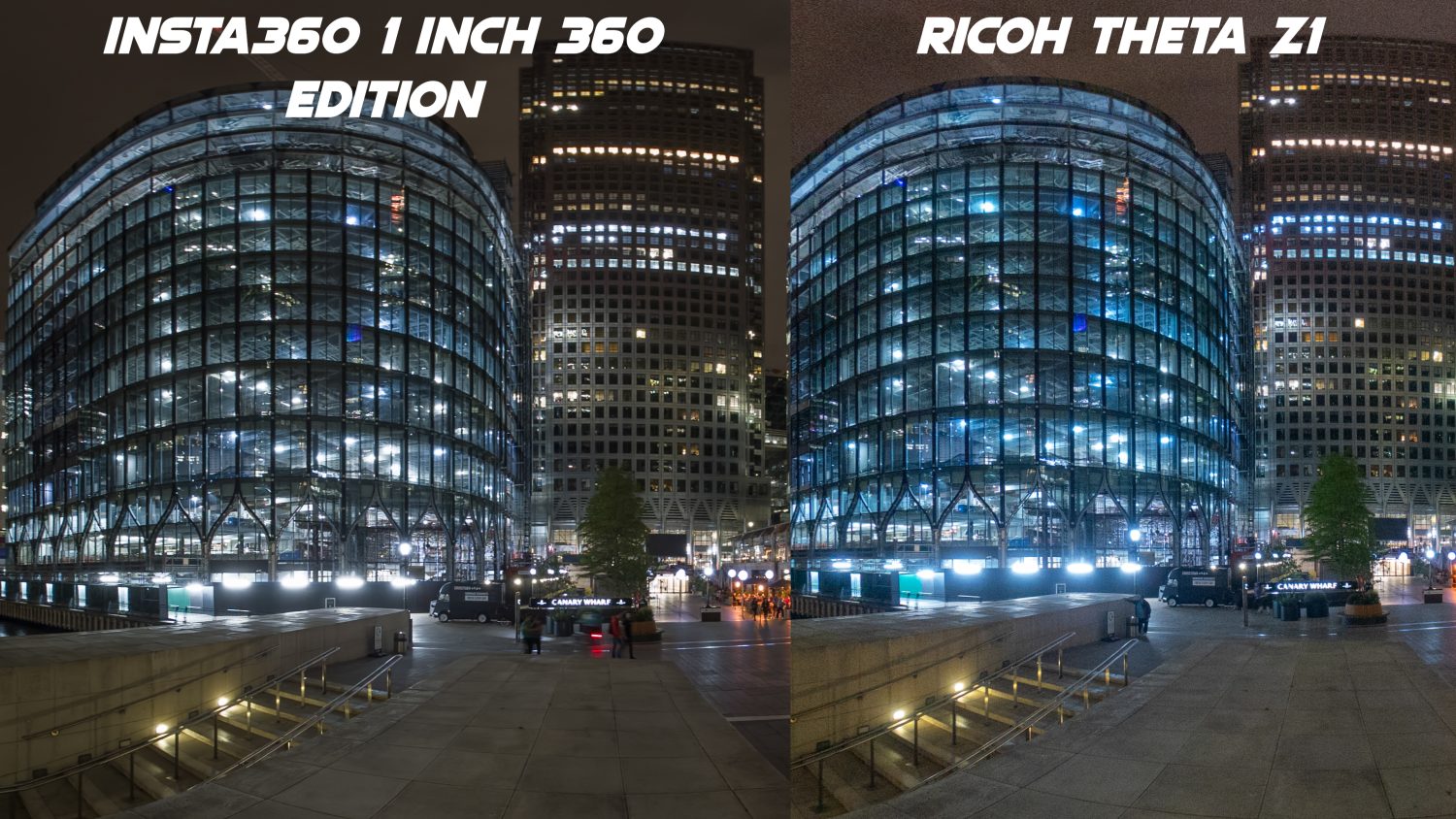 The workflow using the 1 Inch 360 edition is quicker an easier, particularly when using the pureshot and HDR modes. For this reason alone many may prefer to use this camera as you can get high quality images without any editing.
Overall the cameras are fairly evenly matched when it comes to shooting 360 photos and therefore virtual tours. I’d probably choose the Insta360 if I wanted a quicker workflow, however the Z1 images are probably slightly higher quality when edited properly in Lightroom.
Video Comparison
If the two cameras are pretty evenly matched when it comes to Virtual tours, the same can’t be said for shooting 360 video. The Theta Z1 is limited to 4K video resolution whereas the Insta360 1 Inch 360 Edition can shoot 6K 360 video.
In terms of video quality the Insta360 is way ahead of the Z1. Video looks way clearer, sharper and dynamic with better colors. The Insta360 also comes with their stabilization technology which works exceptionally well to keep your video smooth while moving. The Z1 only feature basic stabilization which only works with very light movement.
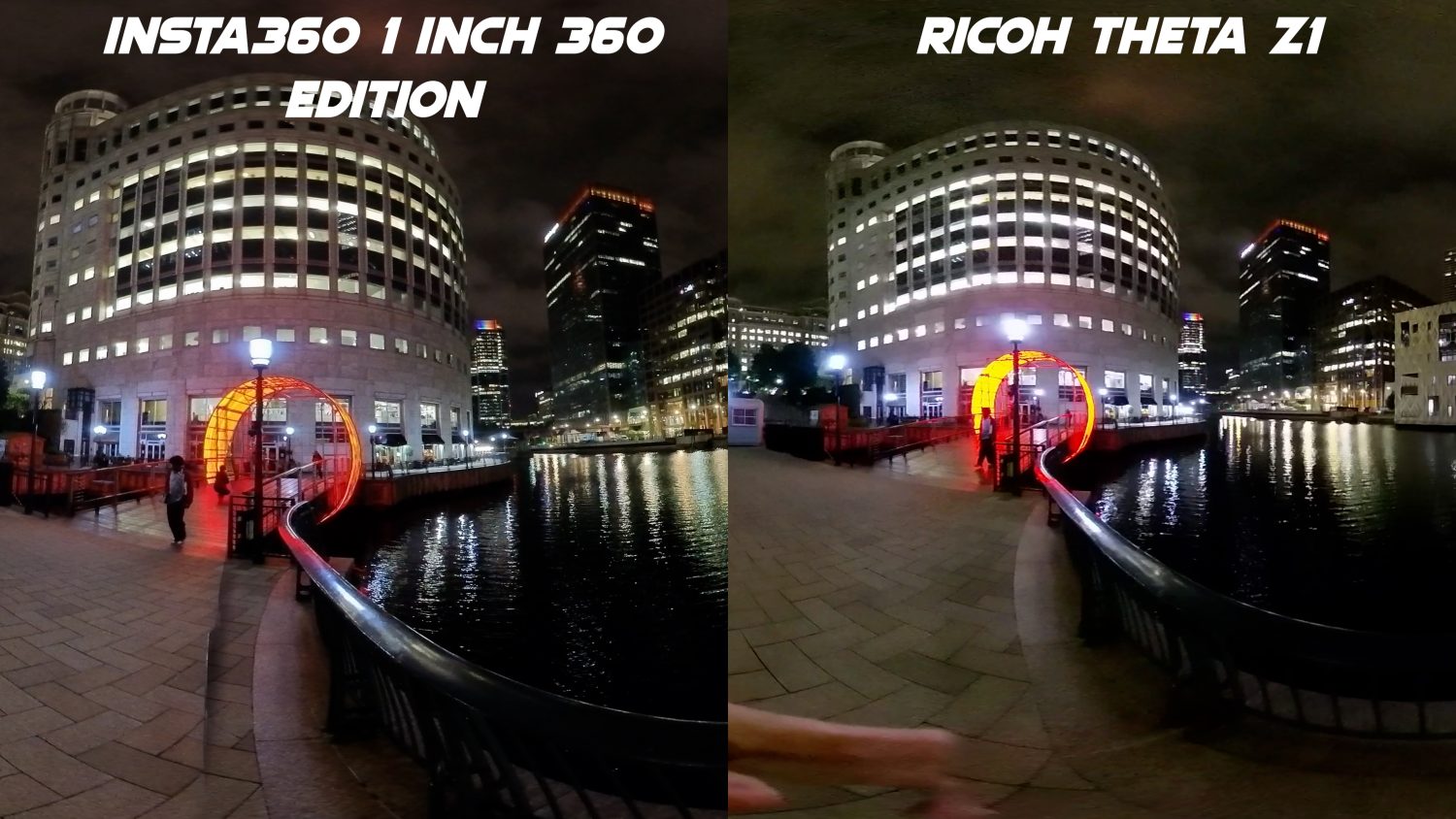
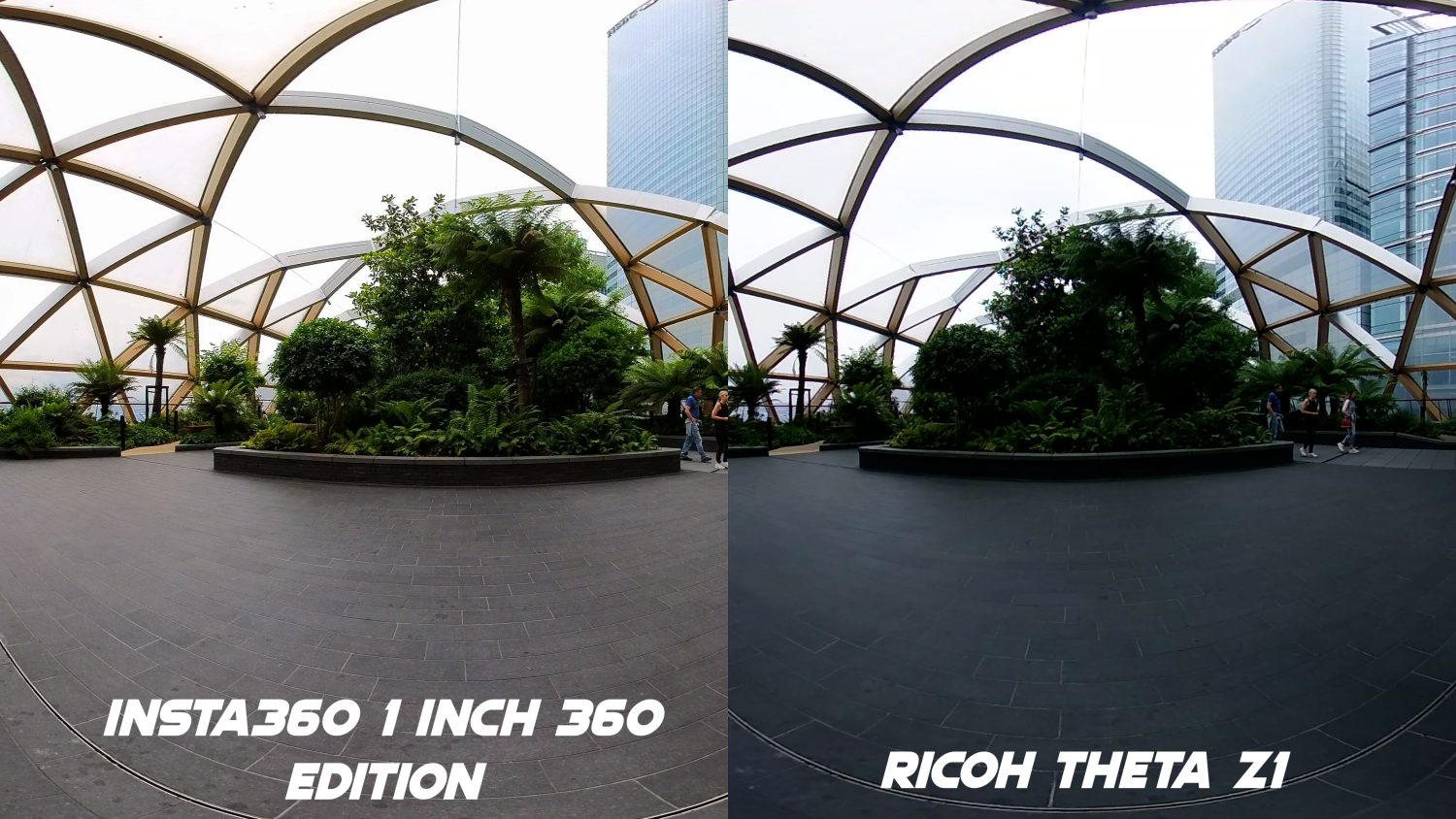
Insta360 have also developed an excellent editing suite with automatic editing features that allow you to create awesome video effects. Ricoh have not developed anything to take advantage of their 360 video.
When it comes to video the choice is obvious; the Insta360 1 Inch 360 edition blows the Z1 away when it comes to shooting 360 video and also reframing. The Z1 was never really designed with video creation in mind.
App & Software
As I just mentioned, Insta360 have developed an extensive editing app which allows the user to reframe their 360 video, edit photos, create unique effects and automatically combine clips into vlogs. This is by far the best editing app for any 360 camera and allows you to create awesome shots with any Insta360 camera.

The app has a lot of options and therefore a bit of a learning curve, however it’s certainly worth learning. Insta360 also has a free desktop app where you are able to process your Pureshot and HDR images.
In comparison the Ricoh Theta app is quite basic, only offering control over the manual settings of the camera. There are no editing options and the app itself is quite buggy, with connections often dropping out. This is particularly annoying when there is no full touchscreen on the camera.
Other Features
Battery Life: Both the Insta360 and Ricoh 1 Inch cameras have an average battery life of about an hour of continuous video. Both camera could last close to a full day of shooting photos if you were careful to turn them off when not using them.
Memory: The Theta Z1 has 51GB of internal memory but no way to expand this with a MicroSD Card. 51GB should be more than enough for several hundred RAW photos. The 1 Inch 360 Edition has no internal memory but can take a 256GB microSD card.
Water Resistance: Neither of these cameras are fully waterproof, however the Insta360 is splash resistant.
Insta360 1 Inch 360 Edition vs Ricoh Theta Z1: Summary
Overall the Insta360 One RS 1 Inch 360 Edition is the more advanced and versatile camera, with the ability to shoot both high quality 360 photos and videos. If you are only interested in shooting professional virtual tours then it’s a closer run.
While the Z1 shoots sharper images with better dynamic range, the images are noisier in darker conditions and the workflow is longer. I don’t think the slight difference in quality is worth the extra editing time for most. The Insta360 1 Inch Edition Pureshot and Auto HDR modes are excellent at producing high quality 360 images for virtual tours very quickly.
Both cameras are priced at a prosumer market, rather than causal users. There is a reasonably significant price difference with the 1-Inch 360 at $799/£809.99 and the Z1 at £1049.
Either of these cameras could be used for real estate or construction virtual tours, however if you intend on shooting any kind of video then the Insta360 is the better choice. Check the links below to see the latest prices of both cameras.